

WHITMER PUSHES 800 MILLION TAX HIKE AS MICHIGAN ALREADY RANKS AMONG AMERICA’S HIGHEST TAXED STATES
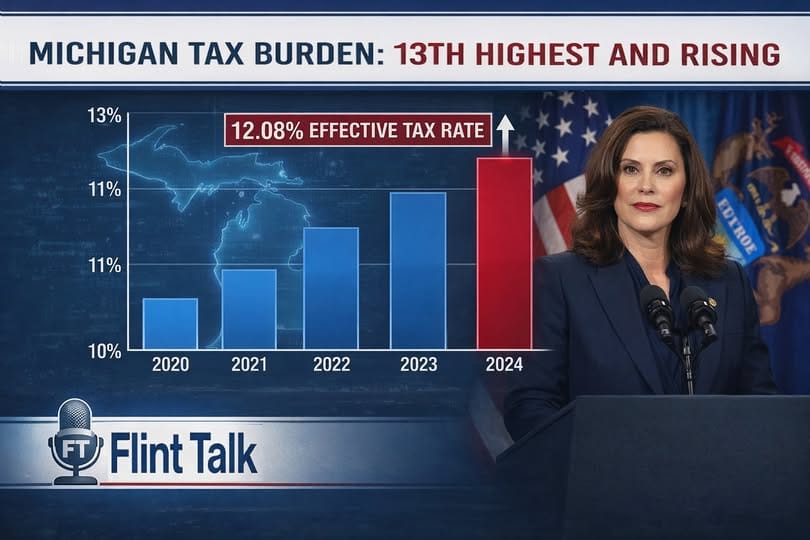
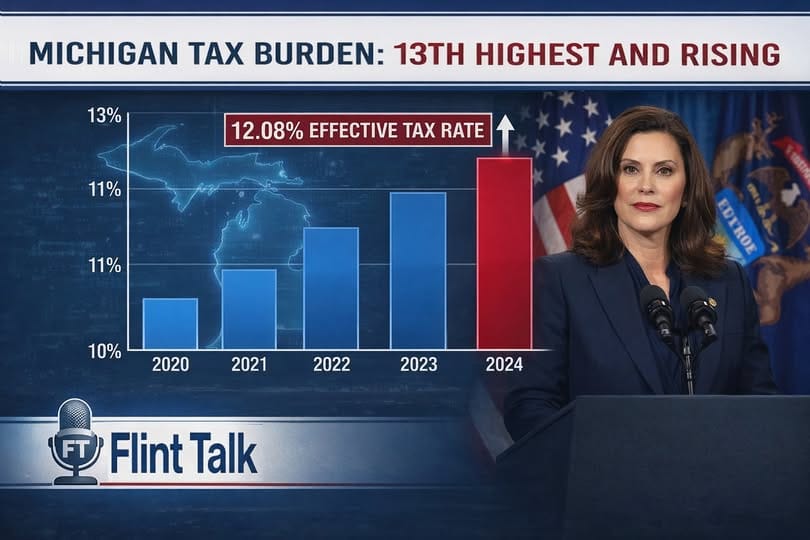
Michigan taxpayers are already carrying one of the heavier tax loads in the United States, and the debate in Lansing is heating up as Governor Gretchen Whitmer’s latest budget proposal could add nearly 800 million dollars more in new taxes. Recent tax analysis places Michigan with the 13th highest combined state and local tax burden in the country, raising new questions about affordability, population growth, and whether Michigan families are paying too much to live here.
A recent tax analysis shows Michigan’s effective combined state and local tax burden has climbed to about 12.08 percent. That number includes income taxes, sales taxes, property taxes, and other state and local taxes that residents pay throughout the year. When those numbers are compared with all 50 states and Washington D.C., Michigan ranks 13th for overall tax burden and around 38th when states are ranked by tax competitiveness.
For Michigan families already dealing with rising costs for housing, groceries, insurance, and utilities, the numbers are getting attention. Tax competitiveness rankings are often used by economists and business groups to measure how attractive a state is for businesses, job growth, and long term investment. When a state falls lower in those rankings, critics argue it can make it harder to attract new companies and harder to keep residents from moving to lower tax states.
At the center of the current debate is Governor Whitmer’s proposed budget for fiscal year 2027. The plan includes roughly 800 million dollars in new tax revenue aimed at closing a projected funding gap in Michigan’s Medicaid program. Instead of broad based tax increases, the proposal targets specific industries and products.
The proposal would raise taxes on cigarettes and vaping products, increase taxes connected to gambling activities, and place a new tax on certain online advertising services. Supporters of the plan argue the targeted taxes would help stabilize Medicaid funding without raising the state’s income tax rate or the general sales tax that most residents pay daily.
But the proposal has sparked a political fight inside the Michigan Legislature. Republican lawmakers argue that instead of raising taxes, the state should be looking for ways to reduce the tax burden on Michigan families. House Republicans have suggested that if Lansing can find 800 million dollars in new taxes, it should also be able to deliver 800 million dollars in tax relief.
The disagreement sets up what could become one of the more intense budget battles in Lansing this year. Michigan lawmakers must pass a balanced budget each year, and disagreements over taxes and spending often dominate the final months of negotiations.
At the same time, Michigan’s position in national tax rankings has been slipping. Analysts who track state tax competitiveness say Michigan dropped two positions in the most recent rankings, adding to concerns from some business groups that the state may be becoming less competitive compared with others.
Supporters of Whitmer’s proposal say the state must maintain funding for major programs like Medicaid while continuing investments in infrastructure, education, and economic development. Critics argue the state has already increased spending significantly in recent years and should focus more on reducing costs instead of creating new taxes.
For Michigan residents, the debate comes down to a simple question about affordability. With a tax burden already among the higher levels in the country, many are watching Lansing closely to see whether the final budget increases taxes, cuts them, or finds a compromise somewhere in between.
Is Michigan becoming too expensive for working families and retirees, or are targeted taxes necessary to keep major programs funded and operating?
What do you think about the proposal?




Comments ()