

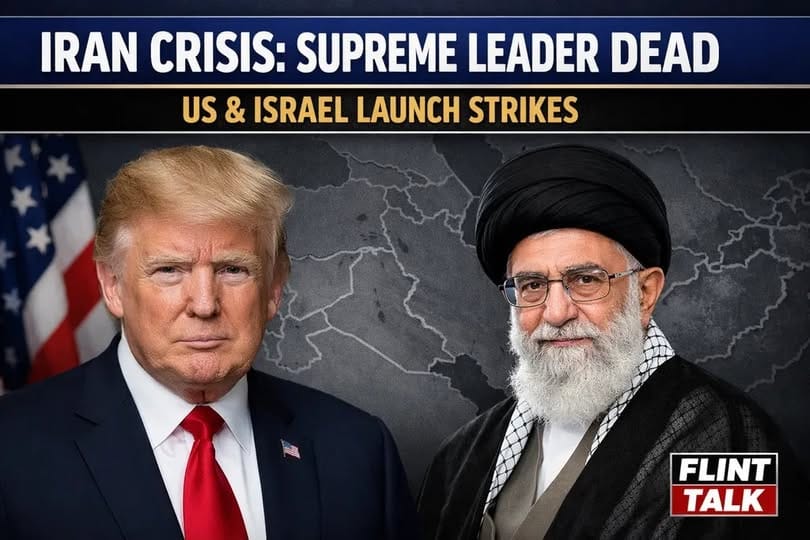
US and Israel Launch Strikes on Iran as Supreme Leader Khamenei Is Killed
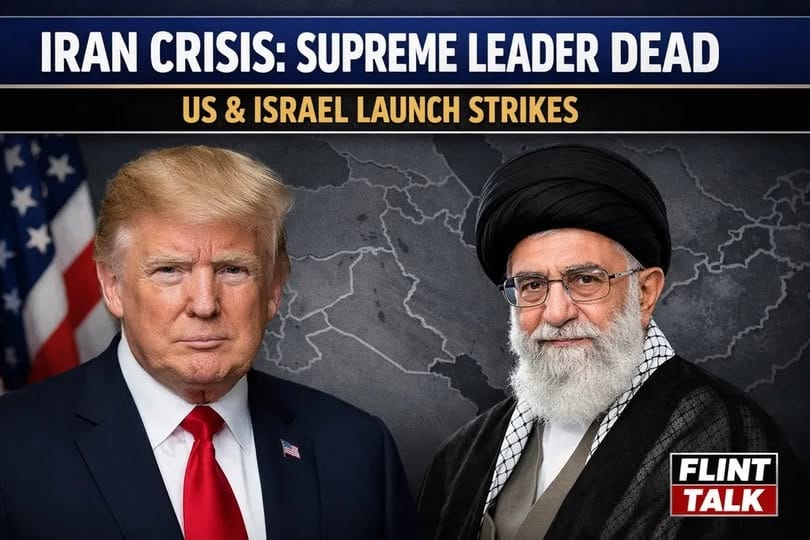
The United States and Israel carried out coordinated large scale military strikes across Iran on February 28, 2026, hitting military and nuclear targets in Tehran and other locations, with Iranian state media confirming the death of Supreme Leader Ayatollah Ali Khamenei. President Donald Trump publicly acknowledged the operation, marking a major escalation in the long running confrontation over Iran’s nuclear program and regional influence.
Explosions were reported in and around Iran’s capital as the daylight assault unfolded, quickly raising fears of a broader regional conflict. U.S. and Israeli officials said the strikes were intended to dismantle Iran’s governing structure and reduce what they described as ongoing threats to international security. Iranian media confirmed Khamenei’s death, a development that immediately sent shockwaves through the Middle East and global markets, including a sharp rise in oil prices.
World leaders reacted with a mix of alarm and uncertainty as reports of retaliatory actions began to surface. Directly targeting a sitting head of state represents a significant shift in military posture and has intensified debate over the risks of wider war, long term instability, and unintended consequences beyond Iran’s borders.
As events continue to unfold, the scale and aftermath of the strikes are likely to shape global politics and security for years to come.
Should the United States be using direct military force to pursue regime change abroad, or should the priority remain on avoiding deeper foreign conflicts and focusing at home?




Comments ()