The COVID Crunch: Not New Cuts, Just the End of Federal COVID Funding in Michigan
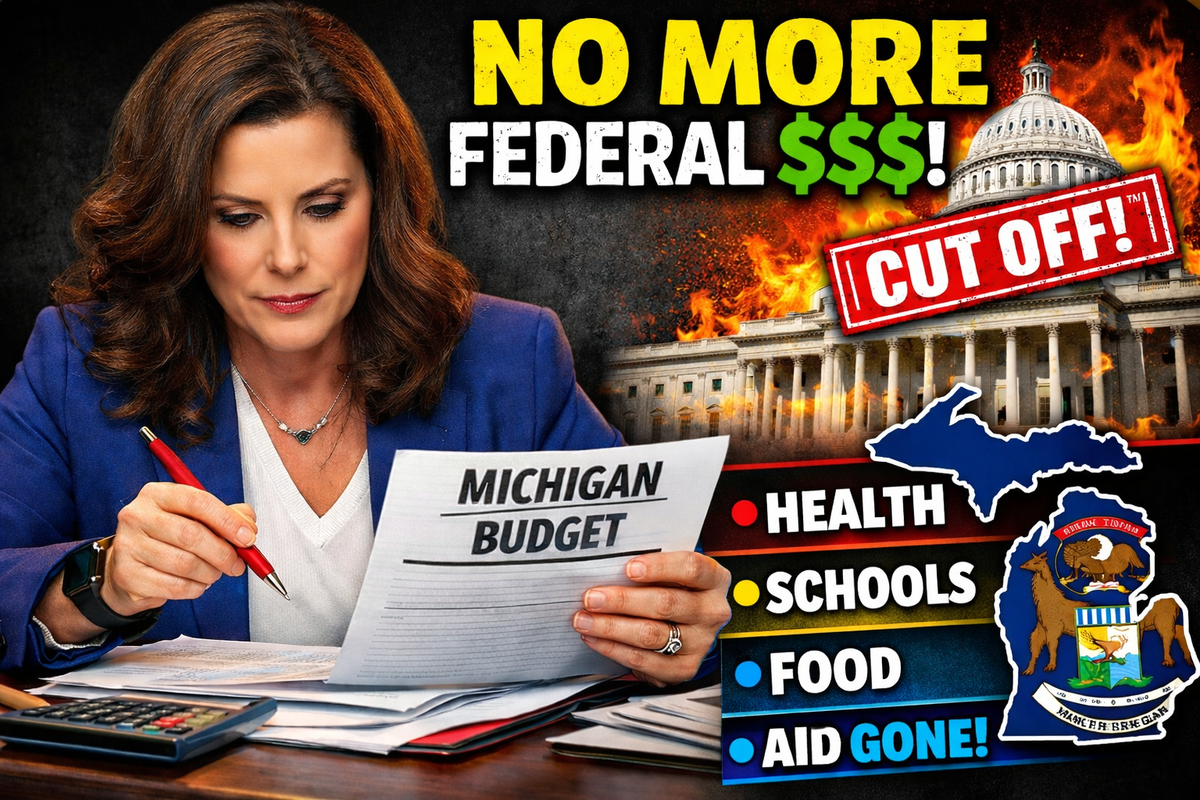
Michigan’s budget is tightening as federal COVID-era funding has fully expired. During the pandemic, the federal government sent Michigan billions of dollars in temporary relief funds approved by Congress and signed during the Donald Trump administration. Those dollars inflated state and local budgets for several years but were never permanent.
Now that the money is gone, Michigan does not have the resources in many cases to continue those programs at the same level using only state revenue. What looks like “cuts” is often the simple reality that the funding that created these programs no longer exists.
What is no longer funded or being reduced in Michigan
- Public health emergency staffing and programs
Local and state health departments expanded staffing, testing operations, vaccination clinics, and disease surveillance using federal COVID grants. Those grants have ended, forcing layoffs, reduced hours, and the elimination of programs the state cannot afford to maintain long term. - School district pandemic support programs
Michigan schools received billions in temporary federal ESSER funding. That money paid for tutoring, after-school programs, mental health staff, learning recovery services, and temporary positions. As ESSER funds expire, districts are dropping programs and staff because neither the state nor local districts can permanently replace that funding. - Rental assistance and housing stabilization programs
Emergency rental assistance and eviction prevention programs created during COVID were funded almost entirely with federal dollars. Many of these programs are now ending or shrinking sharply because Michigan does not have ongoing state revenue to continue them. - Small business and workforce recovery grants
Michigan used federal COVID money to fund one-time grants and relief programs for small businesses, nonprofits, and workforce development. These programs were explicitly temporary and are now gone, even though demand still exists. - Temporary local government grants and revenue replacement
Cities and counties received federal aid to offset lost tax revenue during the pandemic. That revenue replacement has ended, leaving local governments to adjust budgets back to pre-COVID revenue levels. - Expanded social service outreach and support programs
Food assistance outreach, expanded eligibility staffing, and temporary benefit administration were funded with federal COVID dollars. As those funds expire, services are being reduced to match what the state can afford under normal conditions.
Why it feels like a cut
To residents and workers affected, the loss of services feels exactly like a budget cut. But in many cases, Michigan is not cutting its pre-COVID budget. Instead, it is losing temporary federal funding that artificially expanded programs for several years. Keeping those programs would require higher taxes, new fees, or cuts elsewhere in the state budget.
The COVID crunch is not about new austerity decisions as much as it is about returning to budget reality after emergency federal spending ended.
So the real question is this: should Michigan replace expired federal COVID money with permanent state funding, or was this spending always meant to end once the pandemic did?