

SNAP Fraud Case Moves Forward After Benefits Used for Online Business Baking
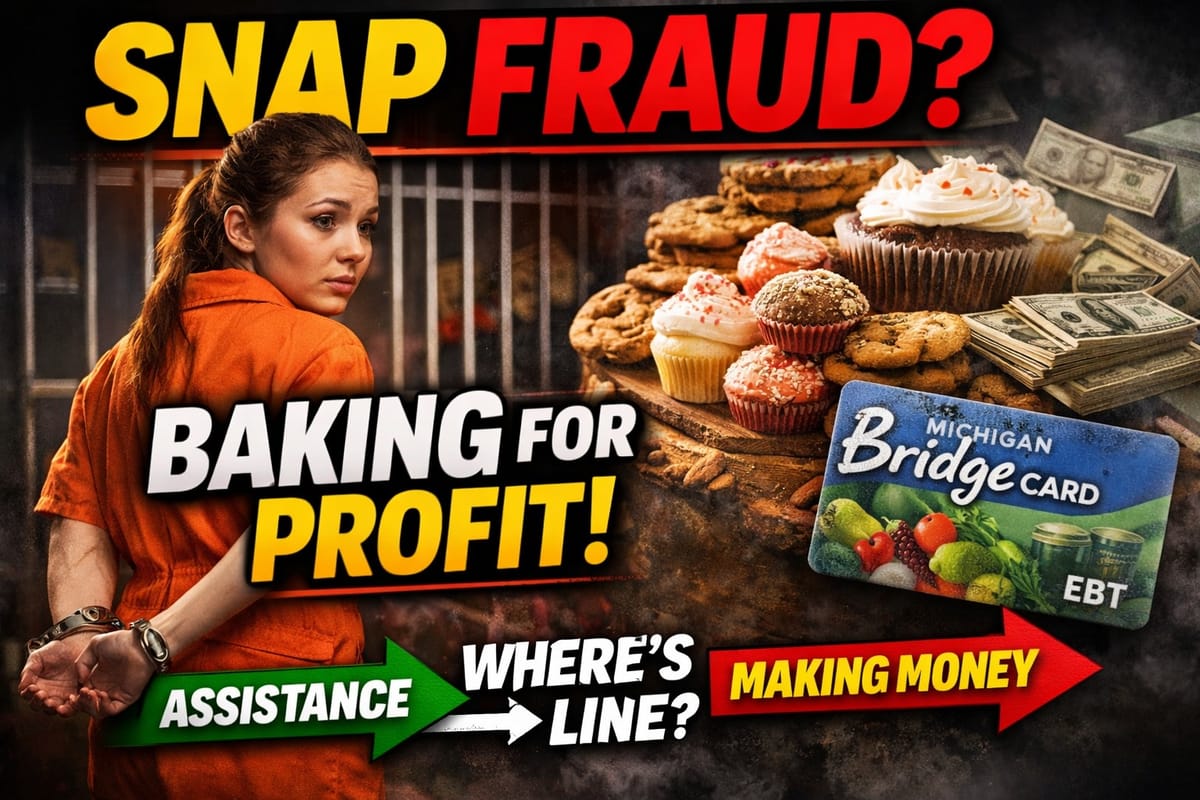
A woman is heading to trial on food stamp fraud charges after prosecutors say she used SNAP benefits to support a personal baking business instead of buying food for household consumption.
According to court records, the woman used her Bridge Card to purchase baking ingredients, then sold the finished baked goods online for profit. Prosecutors argue the ingredients were bought with the intent to resell, not to feed her household, and that intent is the basis of the charge.
Under SNAP rules, benefits are restricted government funds meant only for food consumed by the recipient and their family. They cannot be used as business expenses or converted into income, even indirectly. Once benefits are used as inputs for resale, the law treats it as prohibited benefit monetization.
The woman, Talia Teneyuque, faces up to 10 years in prison if convicted.
Her attorney, Emile Kate DeRemer Lyday, argues the case is being misunderstood. She says her client disclosed her baking business, including income and expenses, to the Michigan Department of Health and Human Services, and warns the prosecution could set a precedent that impacts small-scale activities like lemonade stands.
Prosecutors reject that argument.
Assistant Prosecutor Aaron Majorana told the court the law is clear. SNAP benefits are for eating, not earning. Using benefits to produce goods for resale violates program rules regardless of scale.
The case has been bound over to trial, where the central issue will be intent, specifically whether the ingredients were purchased to feed a household or to generate profit through resale.
At what point does buying food with SNAP cross the line from assistance into profit-making, and should the law draw that line more clearly?





Comments ()